In person in New York and virtual

1:1 Assessment

Aleena Kanner, ATC, a Certified Athletic Trainer, offers a 1:1 whole-body assessment for pain that keeps coming back after many providers each looked at one piece. She looks head to toe through five lenses, in New York City and Long Beach, Long Island, or virtual. Read client stories below and book online.

Aleena Kanner assessing a client lying on a treatment table

In person in New York and virtual

Is this you?

  • Your pain keeps coming back, even after you've done everything you were told
  • You've seen many providers, and each one looked at a different piece
  • You feel like you lean into one side when you stand or walk
  • Your jaw, neck or posture changed after dental or orthodontic work
  • New glasses or a vision change left you feeling off balance
  • You breathe through your mouth at night or feel tight when you breathe
Aleena Kanner checking a client's hip as the client lies on their side

What happens in your assessment

  1. Step 1

    Before you come

    You book your first assessment online and choose in person in New York City and Long Beach, Long Island, or virtual. Before your session, think about your pain history and the providers you’ve seen.

  2. Step 2

    The conversation

    Aleena starts by listening. You talk through your history, where the pain shows up, what you’ve tried and which providers you’ve seen. Many people have seen several, and each looked at one piece. This conversation helps her start connecting the dots.

  3. Step 3

    Head to toe, five lenses

    Aleena looks at your whole body through five lenses: nervous system, vision, teeth and jaw, breath and posture. She notices which side you lean into and how each lens affects the others. Then she explains your pattern in plain words.

  4. Step 4

    Your plan for home

    You leave with a plan to follow at home, built around your pattern. Aleena walks you through each part so you know what to do and why. When your pattern points to your teeth or eyes, she brings in a dentist or optometrist.

What is a whole-body assessment?

A whole-body assessment is a 1:1 session where Aleena looks at how your nervous system, vision, teeth and jaw, breath and posture affect each other. It’s for people whose pain keeps coming back after many providers. Each one looked at one piece, and nobody connected the dots. The body isn’t symmetrical inside, so we lean into one side and patterns form. When only the sore spot gets attention, pain tends to return. In your assessment, Aleena listens to your history, looks head to toe and explains your pattern. You leave with a plan to follow at home. She holds the PRT credential and works with dentists and optometrists. Sessions are in person in New York City and Long Beach, Long Island, or virtual, and you book online.

Line drawing: A full human skeleton, front view
A full human skeleton, front view

What you leave with

  • A clear picture of your own pattern, head to toe
  • An understanding of how your five lenses affect each other
  • A plan to follow at home, explained step by step
  • Next steps with a dentist or optometrist if your pattern points there
Aleena Kanner smiling and holding a rib cage model

How Aleena works with your other providers

Aleena works with dentists, orthodontists, optometrists, podiatrists, myofunctional therapists, occupational therapists, functional medicine doctors and naturopaths. When your assessment shows your jaw, eyes or feet are part of your pattern, she brings in the right provider so everyone works from the same picture. Each provider still looks at their piece, and Aleena helps connect the dots between them. She has presented at OVDRA and OEPF and co-authored two COVD posters. You can read how clients describe this teamwork in the stories on this page.

Line drawing: The upper and lower dental arches
The upper and lower teeth, from above

The five key connections

Your body has five lenses

No single system explains everything. The value is in seeing how they affect each other.

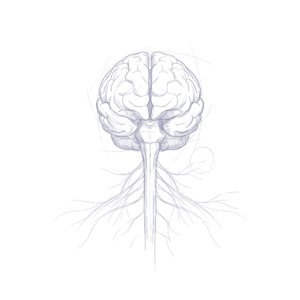
Nervous system

How does the nervous system affect posture and pain?

Your nervous system is always reading signals from your body and the world around you. It helps decide how much tension to hold, how to balance and how safe you feel when you move. Aleena looks at how your nervous system responds, because it shapes how the other four lenses work together.

Explore this lens: Nervous system
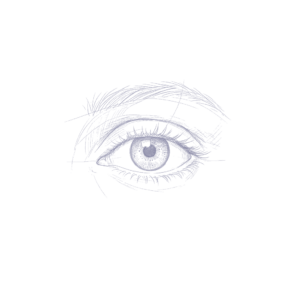
Vision

Can your eyes affect your posture?

Yes, they can play a part. Your eyes help tell your brain where you are in space. If your vision pulls you toward one side or forward, your head, neck and body may shift to follow. That’s one reason a head that drifts forward at the desk isn’t always just a neck issue. Aleena works alongside optometrists and looks at how what you see affects how you stand and move.

Explore this lens: Vision

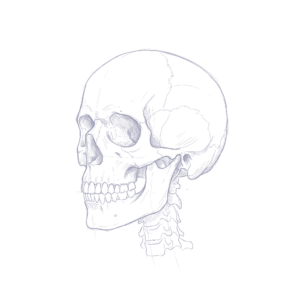
Teeth and jaw

Can jaw problems cause neck and posture issues?

The jaw sits close to the neck and head, so they often work as a team. How your teeth meet and how your jaw rests can influence head position, neck tension and even breathing. Jaw trouble may also show up alongside problems elsewhere in the body. Aleena works with dentists and orthodontists, and she looks at how your bite and jaw fit into your whole pattern.

Explore this lens: Teeth and jaw

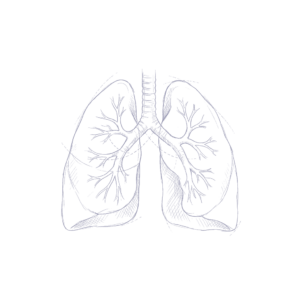
Breath

How does breathing affect posture?

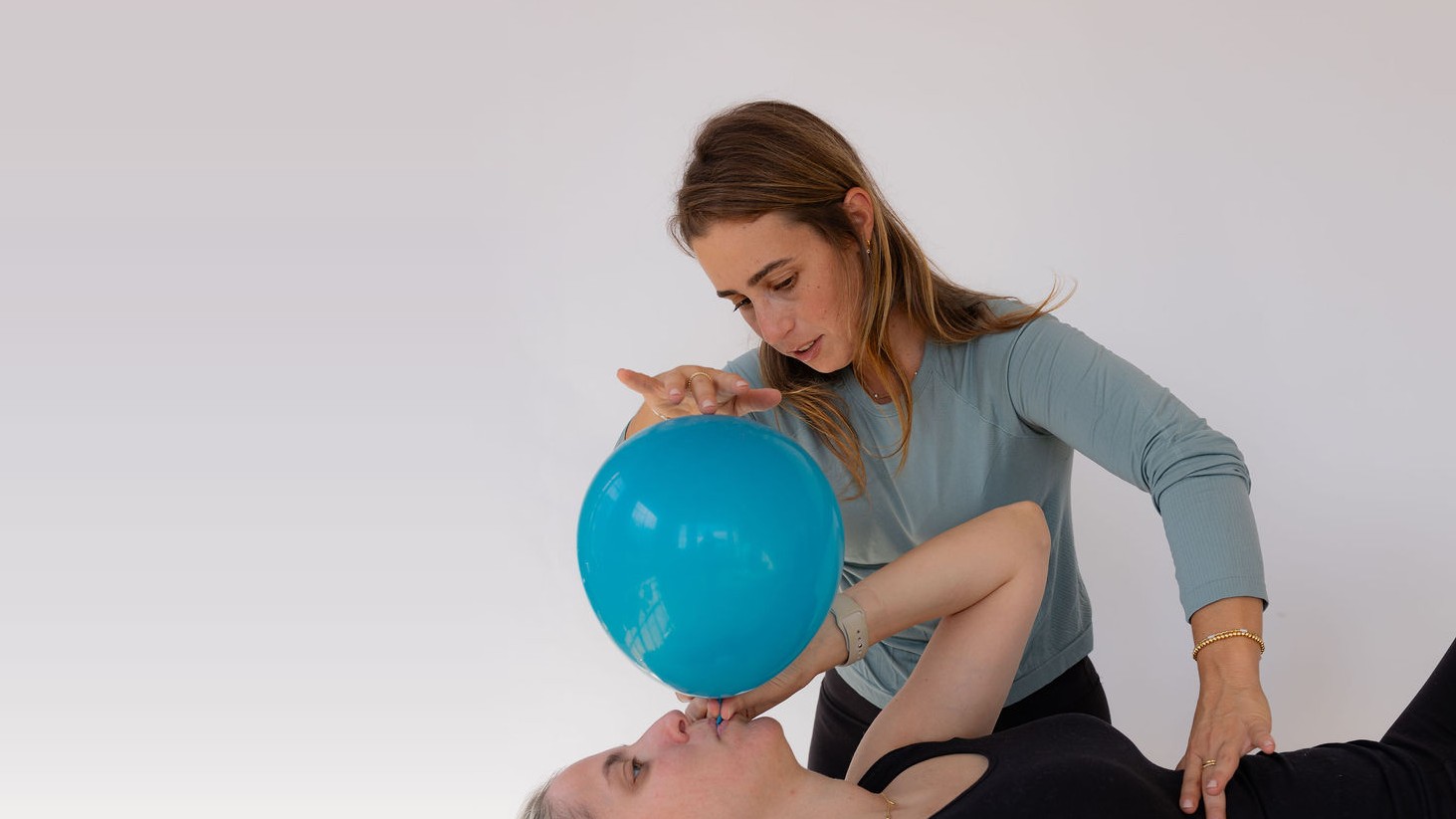
Breathing and posture are closely linked. The diaphragm is your main breathing muscle, and the way you breathe can shape how you stand, sit and move. When breathing feels shallow, posture may shift around it. Some people notice breathing that never feels quite full. Aleena looks at how you breathe, because breath connects to every other lens, from your jaw to the way you stand.

Explore this lens: Breath

Posture

Why does my posture keep going back to the same position?

Your posture reflects your whole body. It shows how your nervous system, vision, teeth and jaw, and breath work together. If one of those keeps pulling you into the same pattern, posture tends to follow, even after stretching or strengthening. That can show up as a forward head or foot pain like plantar fasciitis. Aleena works with podiatrists and looks at posture from head to toe.

Explore this lens: Posture

What clients say

5.0 Google, 46 reviews

Questions people ask

Is the assessment in person or virtual?

You can choose either. Aleena offers in-person assessments in New York City and Long Beach, Long Island, and virtual sessions from home. You book online and pick the format that fits you. Either way, Aleena listens to your history, looks head to toe through the five lenses and gives you a plan to follow at home.

What happens after the assessment?

After your assessment, you follow a plan at home that fits your pattern. Aleena explains each part so you know what you’re doing and why. When your pattern points to your teeth, jaw or eyes, she brings in a dentist or optometrist. You can also join RootedWell, her online group membership, for monthly live Q&A.

How is this different from physical therapy?

Aleena is a Certified Athletic Trainer with the PRT credential. Her assessment looks at five lenses together: nervous system, vision, teeth and jaw, breath and posture. She looks head to toe at how they affect each other and works with your dentist, optometrist and other providers. Education comes first, so you understand your own pattern.

Who is the 1:1 assessment for?

It’s for anyone dealing with tight neck and shoulders, jaw clicking or clenching, breathing cues that haven’t helped, or a mix of signs that different providers have only looked at one at a time. Aleena looks at the whole body instead of one piece. If a dentist, a physical therapist, and a chiropractor have each addressed only part of the picture, this assessment brings those pieces together.

What does Aleena look at during the assessment?

She looks at the nervous system, vision, teeth and jaw, breath, and posture together, as one body seen through five lenses. No single system explains everything on its own, so she pays attention to how these areas affect each other. From there, she builds a plan you can follow at home.

How do I book a 1:1 assessment with Aleena?

You book it by choosing a time in her online calendar. Once you’ve picked a slot, the assessment itself involves Aleena looking at your nervous system, vision, teeth and jaw, breath, and posture together before putting together a plan you can follow at home.

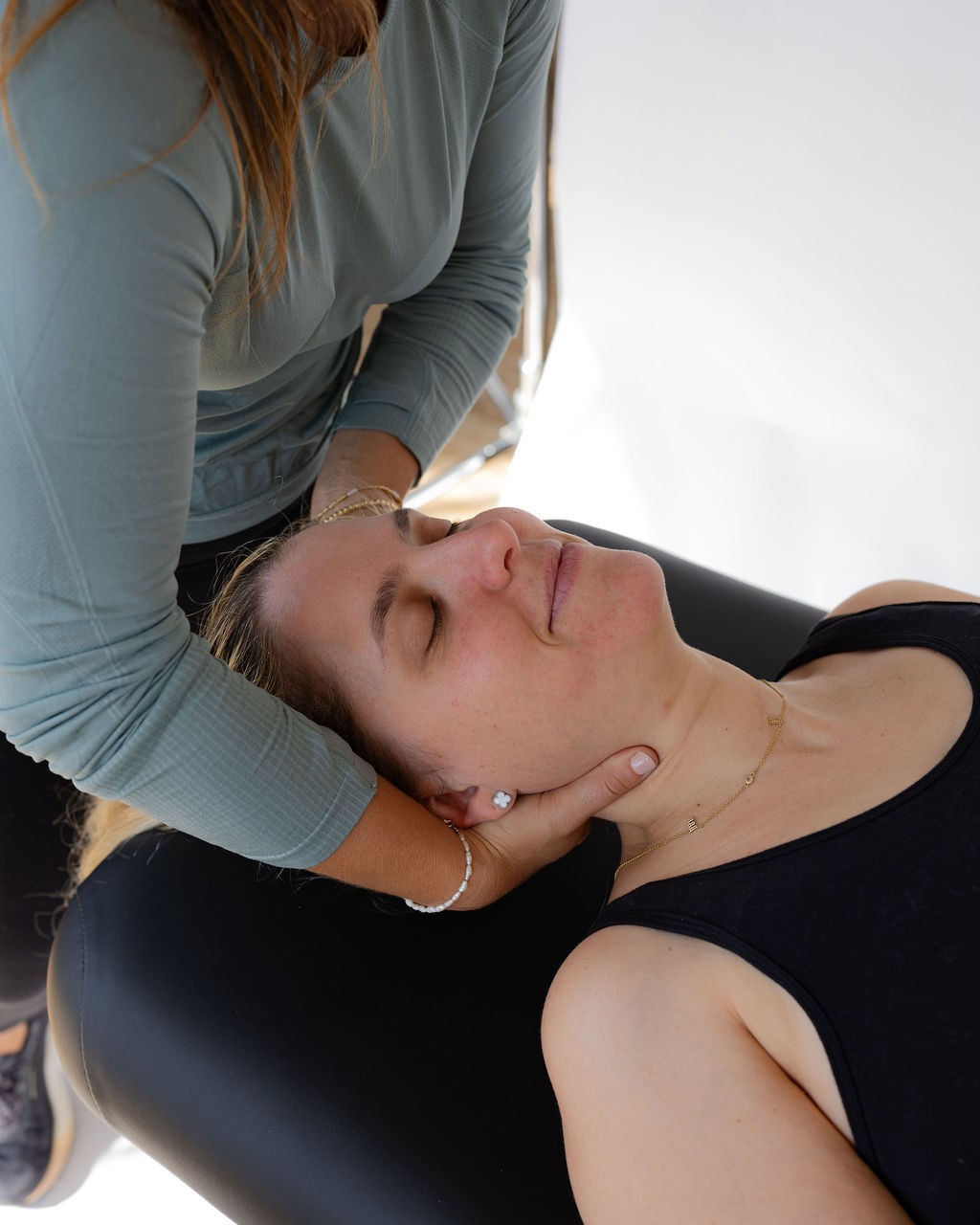
Aleena Kanner supporting a client's head and neck on a treatment table

Should I book a session or send a question first?

Book a session if pain or tension keeps coming back and you want a plan built on your own pattern. Send a question if you’re unsure where to start or which course or e-book fits.

This field is for validation purposes and should be left unchanged.
Please don't include medical details here. Aleena will reply by email.

Start with a clear look at your pattern

Pain that keeps coming back isn’t normal. Book an assessment with Aleena, in person in New York City and Long Beach, Long Island, or virtually, and start seeing how the dots connect.