The nervous system lens
How Your Nervous System Affects Posture
Your nervous system is the brain, spinal cord and nerves working as one signaling network. It reads signals from your eyes, jaw, breath and feet, then sets how much tension you hold, how you balance and whether you feel safe. Those settings shape posture. Aleena looks at this lens alongside the other four.

The nervous system lens
What people often notice
- I feel like I'm always braced, even when I'm resting.
- My balance feels off on one side more than the other.
- My shoulders creep up toward my ears without me noticing.
- Busy places like subways or stores feel like a lot to take in.
- I catch myself holding my breath when I concentrate.
- Stretching helps for a bit, then the tightness comes back.

How Aleena looks at this lens
-
Step 1
Hear your history
Your first assessment starts with a conversation. Aleena asks about your story, your sports or work, your health history and what you notice day to day. Sessions are booked online and happen in person in New York City and Long Beach, Long Island, or virtually.
-
Step 2
Look across five lenses
Aleena does a whole-body assessment across all five lenses. For this one, she looks at how you balance, where you hold tension and how this lens links to your breath, eyes and jaw. Then she helps you learn your pattern in plain words.
-
Step 3
Plan and team up
You leave with a plan to follow at home. When another lens needs a closer look, Aleena works with dentists, orthodontists, optometrists, podiatrists and functional medicine doctors in New York, and she explains when she brings in a dentist or optometrist.
Can your nervous system affect your posture?
Yes. Your nervous system constantly reads signals about tension, balance and safety. When it senses something is off, it can hold muscles tighter or shift how you stand to keep you steady. Over time, that can become a pattern. Aleena looks at how these signals link to vision, teeth and jaw, breath and posture.
Pain that keeps coming back often involves more than the sore spot. The nervous system lens is part of the method used by Aleena Kanner, ATC, a Certified Athletic Trainer in New York who connects the dots between the nervous system, vision, teeth and jaw, breath and posture. She sees one body through five lenses, head to toe. No single system explains everything, so she looks at how they affect each other.
Her work also draws on Quantum Neurology and Neuro-Emotional Technique, which she is training in now. Assessment and education come first in everything she does.

What Aleena’s clients love about her
5.0 Google, 46 reviews
Learn more about the nervous system
 Alternate Nostril Breathing
A breathing technique, step by step, to calm the nervous system and ease stress.
Start here ifI feel stressed or on edge. See inside
 The Dental Fix
A body-first guide to your jaw, breath and nervous system, so you see the whole picture before you say yes to dental work.
Start here ifyou want to understand your jaw, breath and nervous system before dental work. See inside
Aleena’s monthly membership
RootedWell: learn with Aleena every month
RootedWell brings Aleena’s connected view of the body into one place. Inside, you’ll find live Q&A, expert lectures, a full recording library, new breathing techniques each month and a provider network. You can learn at your own pace and come back to topics whenever you need them. Each part is built to help you understand how breath, posture and the whole body work together, so you can keep learning over time with steady, clear guidance.
- A live Q&A with Aleena every month
- Expert lectures to keep you learning
- A full recording library to watch anytime
- A provider network you can turn to
- New breathing techniques each month

$40a month
Cancel anytime. No contracts. No refunds.
Join RootedWellRootedWell does not include a 1:1 assessment. To work with Aleena one on one, book an assessment separately.
Questions people ask
What happens at an assessment?
In Aleena’s first assessment, she starts with a conversation about your history. Then she does a whole-body assessment across the five lenses: nervous system, vision, teeth and jaw, breath and posture. You learn your pattern and leave with a plan to follow at home. You can book online and choose in person in New York City and Long Beach, Long Island, or virtual.
How are breathing and the nervous system connected?
Breathing and the nervous system work closely together. The way you breathe can send signals that help your brain read tension, balance and safety. That’s why Aleena looks at breath as its own lens and studies how it ties to this one. When pain keeps coming back, she looks at how breath and the nervous system shape the pattern together.
Does Aleena practice Quantum Neurology and NET?
Aleena Kanner, ATC, a Certified Athletic Trainer in New York who connects the dots between the nervous system, vision, teeth and jaw, breath and posture, is currently training in Quantum Neurology and Neuro-Emotional Technique, often called NET. Her work draws on both as she looks at the nervous system lens. Her credentials are ATC and PRT.
Can I work with Aleena virtually?
Yes. Aleena offers virtual sessions as well as in-person sessions in New York City and Long Beach, Long Island. You book your first assessment online either way. Her RootedWell membership costs $40 a month and includes live Q&A, expert lectures, a recording library, a provider network and new breathing techniques each month.
Why do I feel braced all the time, even when I’m resting?
Feeling braced often means your nervous system has settled into a tension pattern, even at rest. It reads signals from your eyes, jaw, breath and feet to judge whether you’re steady and safe, and it can hold muscles tighter as a response. Aleena looks at how these signals connect to posture, rather than treating the bracing on its own.
Why does my balance feel off on one side more than the other?
Balance that feels uneven often comes down to how your nervous system reads signals from your eyes, jaw, breath and feet on each side of your body. It uses those signals to decide how you stand and shift your weight, and a one-sided pattern can show up as posture that leans or holds differently. Aleena looks at how these signals connect across the body.
Explore the other lenses
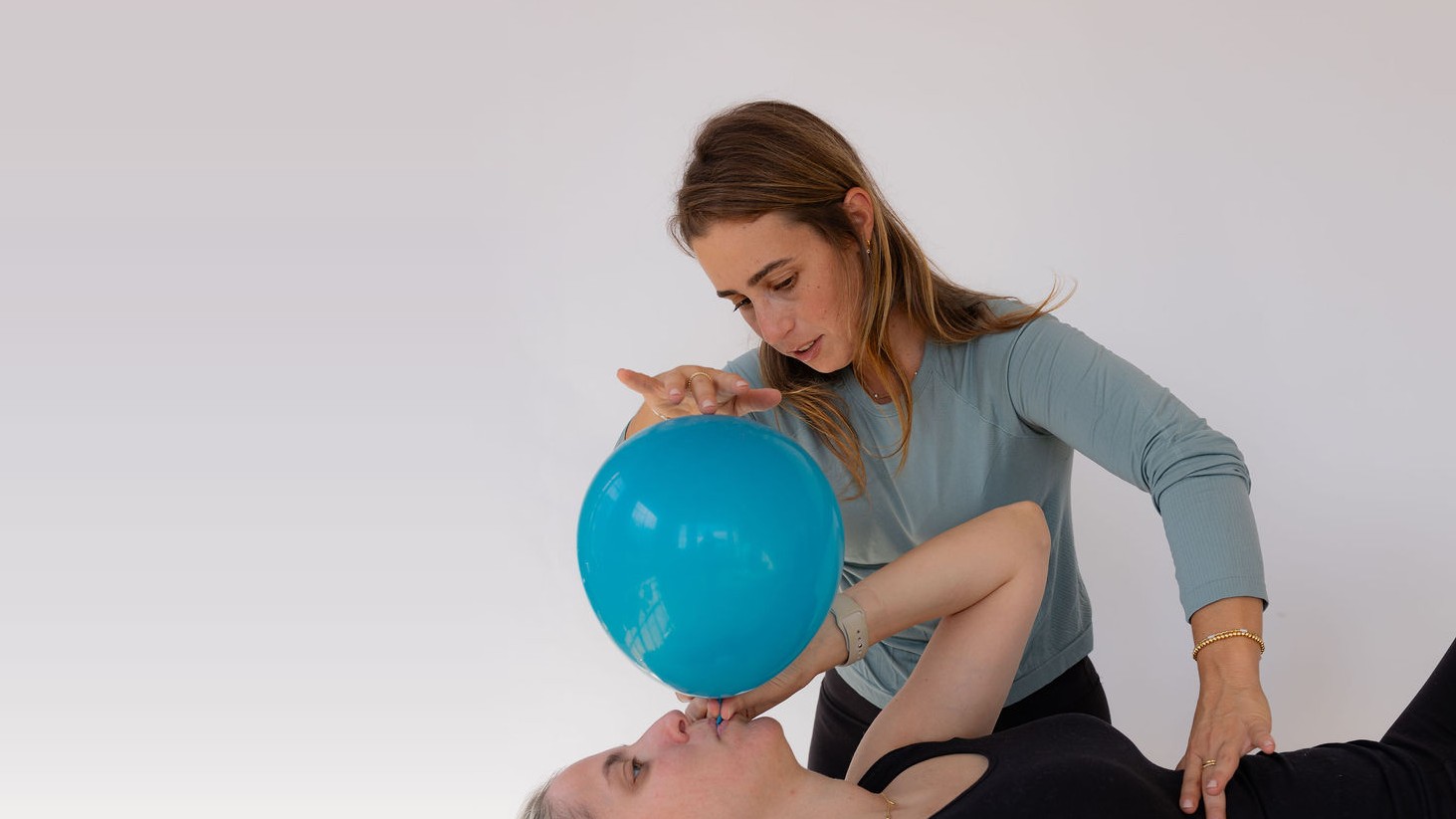
Start with a clear look at your pattern
Pain that keeps coming back isn’t normal. Book an assessment with Aleena, in person in New York City and Long Beach, Long Island, or virtually, and start seeing how the dots connect.