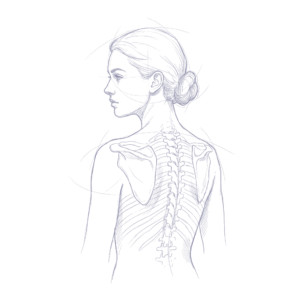
When pain keeps coming back, one piece rarely tells the whole story. Aleena Kanner, ATC, a Certified Athletic Trainer in New York who connects the dots between the nervous system, vision, teeth and jaw, breath and posture, looks at one body through five lenses, head to toe. No single system explains everything, so she studies how they affect each other. Assessment and education come first.
Pick the answer that fits you best. Go with your first instinct.
1 of 8
Your pattern
Your pattern leans toward the nervous system
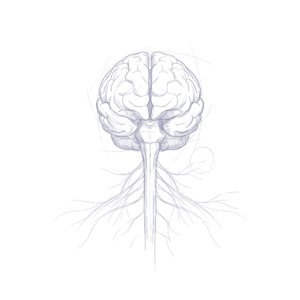
This pattern often looks like a body that stays on alert. You might feel wired, sleep lightly or notice aches that move around. When the nervous system stays braced, muscles can keep guarding, so pain may keep coming back even after other care. Aleena looks at how your nervous system talks with your vision, jaw, breath and posture. She starts with education and an assessment, so you understand your own pattern before anything else.
Read Aleena’s nervous system page and explore RootedWell, or book an assessment online.
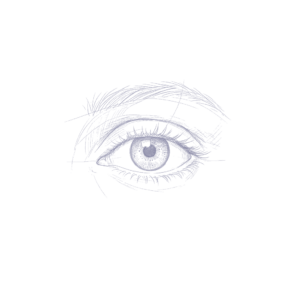
This pattern often looks like tired eyes, leaning toward screens or tilting your head to see. How your eyes work together can shape how you hold your head, neck and whole body. If that piece gets missed, pain may keep coming back no matter how much you stretch. Aleena looks at vision alongside the nervous system, jaw, breath and posture. She works with optometrists, so your care can connect across providers.
Read Aleena’s vision page, then explore Vision-Body Connection, or book an assessment online.
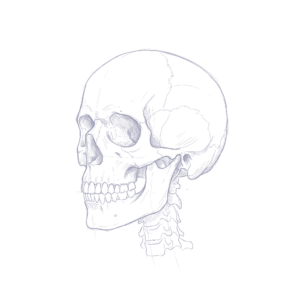
This pattern often looks like clenching, grinding, chewing on one side or a jaw that clicks or feels tight. Your bite and jaw position link to your head, neck and the way you breathe. If the mouth isn’t part of the picture, pain may keep coming back in the neck, shoulders or even lower down. Aleena looks at teeth and jaw with the other four lenses. She works with dentists and orthodontists to connect the dots.
Read Aleena’s teeth and jaw page, then explore The Dental Fix, or book an assessment online.
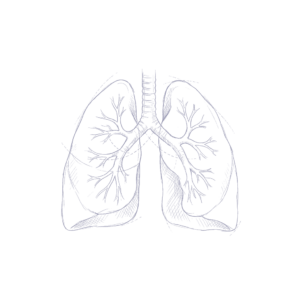
This pattern often looks like mouth breathing, sighing, snoring or a breath that stays high in the chest. The body isn’t symmetrical inside. Your organs and diaphragm sit differently on the left and right, which shapes how you breathe. Over time, that can pull posture off center, so pain may keep coming back. Aleena looks at breath with the other four lenses and may use simple positions, like lying on your back with your feet on a wall.
Read Aleena’s breath page, then explore Better Breathing 2.0, or book an assessment online.
This pattern often looks like one shoulder or hip sitting higher, standing on one leg or shoes that wear down unevenly. Since the body isn’t symmetrical inside, many people lean into one side without noticing. If only the sore spot gets attention, pain may keep coming back somewhere else. Aleena looks at how posture links with the other lenses: nervous system, vision, teeth and jaw, and breath. She also works with podiatrists when feet are part of the picture.
Read Aleena’s posture page, then explore The Body Asymmetry Fix, or book an assessment online.
Your answers point to more than one lens, and that’s common. Pain that keeps coming back often has more than one piece. That’s the work of Aleena Kanner, ATC, a Certified Athletic Trainer in New York who connects the dots between the nervous system, vision, teeth and jaw, breath and posture. She starts with education and an assessment, works with dentists, orthodontists, optometrists, podiatrists and functional medicine doctors, and sees people in New York City and Long Beach, Long Island, and virtually. You can book online.
The ways your body organizes itself to stand, shift and move.
Explore each lens
Nervous system
Can your nervous system affect your posture?
Yes. Your nervous system constantly reads signals about tension, balance and safety. When it senses something is off, it can hold muscles tighter or shift how you stand to keep you steady. Over time, that can become a pattern. Aleena looks at how these signals link to vision, teeth and jaw, breath and posture.
Yes. Your brain uses what your eyes take in to judge where you are and how to stay upright. If your vision, glasses or lenses change that picture, your body may shift how it stands or moves to stay steady. Aleena looks at how vision links to your posture, balance and nervous system.
It can. Your jaw connects to your head, your neck and your airway, the path air takes as you breathe. When your bite or jaw position shifts, your head may tilt or move forward, and the rest of your body can adjust around it. Aleena looks at how your teeth and jaw connect to breath, posture and balance.
Yes. Your diaphragm, the dome-shaped main muscle you breathe with, sits a little differently on each side of your body. Because of that, people often breathe in a pattern that leans to one side, and the pattern can show up in how they stand, sit and move. Aleena looks at how breath links to posture and balance.
Posture usually reflects a pattern, the way your whole body has learned to stand and move. Your eyes, jaw, breath, feet and nervous system all feed into it, along with the natural left-right differences inside everyone. Aleena looks at how those pieces work together to understand why your body holds itself the way it does.
Book a 1:1 assessment online, in person in New York City and Long Beach, Long Island, or virtually. Aleena learns your history, looks through all five lenses and gives you a plan to follow at home.