Is it normal for one side to feel tighter?
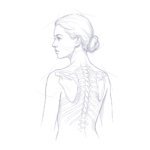
Yes, some difference between your left and right side is normal. Your body isn’t symmetrical inside, so it makes sense that your two sides don’t feel exactly alike.
Many people come to me with the same kind of story. Their right hip always feels stuck. One shoulder sits higher. Their neck turns easily one way and feels blocked the other way. Often they’ve already seen a physical therapist, a chiropractor, an orthopedist or a trainer. Each person looked at the piece in front of them, and the tightness kept coming back.
A small difference you barely notice is part of being human. When one side keeps grabbing your attention, or the same spot flares up again and again, I want to look more closely at how your whole body is organized.
Why isn’t the body the same on both sides?
Your body is built with natural left-right differences. Your organs aren’t placed evenly, your diaphragm (your main breathing muscle) differs from left to right, and the way you breathe follows that layout.
You breathe all day and all night, so those small differences add up. Your body settles into a pattern that feels familiar. You might stand with more weight on one leg, turn more easily to one side, or feel one hip or shoulder working harder than the other. Over months and years, that pattern can show up as tightness on one side.
I’ve studied with the Postural Restoration Institute, which looks at these natural left-right differences and the patterns they create in breathing, posture and movement. That approach uses specific breathing and positioning exercises.
Other systems can feed into the pattern too. When I see one-sided tightness, I also check how your eyes, your jaw and your nervous system might be adding to it. A tight left side might connect to the way your teeth meet or the way your eyes work together. I look at all of it before I decide where to start.
What does one-sided tightness feel like day to day?
People describe it in many ways, and it often shows up in more than one spot. Here are some things I hear often:
- One hip feels stuck, pinchy or harder to stretch
- One shoulder sits higher or rounds forward more
- Your neck turns farther one way than the other
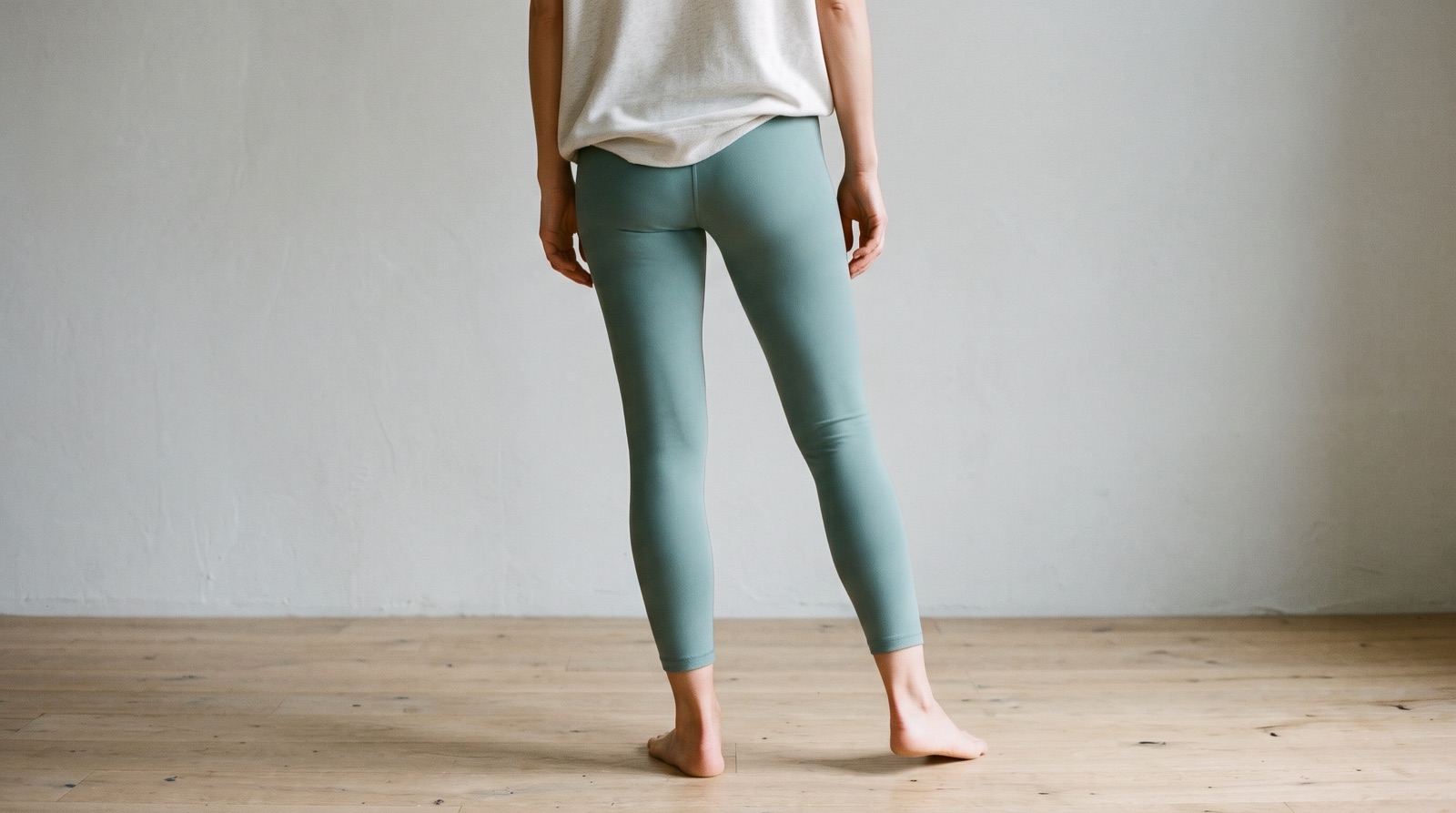
- You stand with more weight on one foot without thinking about it
- Stretching one side feels very different from stretching the other
- Your jaw clenches more on one side
- Your breath seems to move more into one side of your chest
You can start noticing these patterns without changing anything. Pay attention to which leg you lean on while you wait in line. Notice which side you sleep on, which shoulder carries your bag, and which way you turn to look behind you. These small habits tell you a lot about the pattern your body prefers.
Many people tell me stretching the tight side feels good for a little while. Then the tightness comes back. When that happens, the pattern underneath is often still running. That’s why I look at breath and position along with the tight spot itself.
What can I try at home?
A gentle breathing position is a calm place to start. It gives you a simple way to notice how your breath and your position connect.
- Lie on your back on the floor.
- Place your feet flat on a wall or on a box, so your hips and knees bend at 90 degrees.
- Let your back rest on the floor and let your body feel heavy.
- Breathe in gently through your nose.
- Breathe out slowly and fully, letting all the air go. Some people breathe out into a balloon to feel a full exhale.
- Pause for a moment, then repeat for a few easy breaths.
While you breathe, just notice. Does one side of your back press into the floor more? Does one side of your ribs move more than the other? Does one hip feel heavier? You don’t need to change anything yet. Noticing is the first step.
This position should feel easy. If anything hurts, stop.
If you want a guided way to go further, my mini course The Body Asymmetry Fix walks you through breathing and positioning for left-right differences, step by step.
When to see someone
Some symptoms need a medical visit before anything else. Please see a doctor soon if you notice any of these:
- Sudden or severe pain
- Numbness, tingling or weakness in an arm or leg
- Pain that started after a fall, accident or other injury
- Pain that wakes you at night or keeps getting worse
- Chest pain or trouble breathing (call 911)
For pain after an injury, numbness or weakness, start with your primary care doctor or an orthopedist. They can order the tests you may need.
If your tightness seems linked to another area, other providers can help. A dentist is a good person to see if your jaw clenches, clicks or feels tight on one side. An optometrist, or a behavioral optometrist, can help if your vision changed, you got new glasses, or one eye feels like it works harder. A podiatrist can look at your feet if one foot feels different when you stand or walk. A physical therapist can help with strength and movement after an injury.
I’m happy to work alongside any of these providers. I want you to get the right person looking at the right piece.
How I look at this
When one side feels tighter, I look at your whole body, head to toe, through five lenses: nervous system, vision, teeth and jaw, breath and posture. I look at how these systems affect each other, because one area can shape what happens in another.
My background started in movement. I was a gymnast through my childhood and college years, then coached. I studied exercise science at SUNY Cortland and earned my master’s in Athletic Training at the University of Arkansas, where I worked with elite track athletes in an Olympic year. Later I trained in Olympic weightlifting. All of that taught me how small patterns show up in how people move.
Education comes first in my work. I want you to understand why your body feels the way it does before we choose any next step. Then I do an assessment to see your patterns for myself.
I work with dentists, orthodontists, optometrists, podiatrists and functional medicine doctors, so your care can connect across providers. I see people in person in New York City and Long Beach, Long Island, and virtually.